Clothing Designed for Special People.
Adult & elderly easy-dressing — seven adaptive prototypes exploring dignified, independent dressing for people with limited mobility, dexterity or strength. Preliminary, and awaiting co-design validation.
Designed by Saif Ali Mamun, Creative Head · Gateway to Global Excellence
A Large, Underserved & Growing Need.
Most adaptive clothing is produced by small speciality brands at high price points, with limited availability and no ethical supply-chain transparency. There is no large-scale, co-designed, ethically sourced adaptive clothing line serving the North American mass market.
That is the opportunity Nordic Bridge is positioned to develop — if we do the co-design work first.
"Design from the realities people describe — not from what we assume they need."
Sources: Fortune Business Insights (2025) · CDC Disability Data (2023) · March of Dimes Canada (2021)
All Prototypes. One Purpose.
Every closure is concealed, every mechanism one-handed where possible — each garment looks like standard clothing and dresses like nothing else. Shown in both closed and open states.
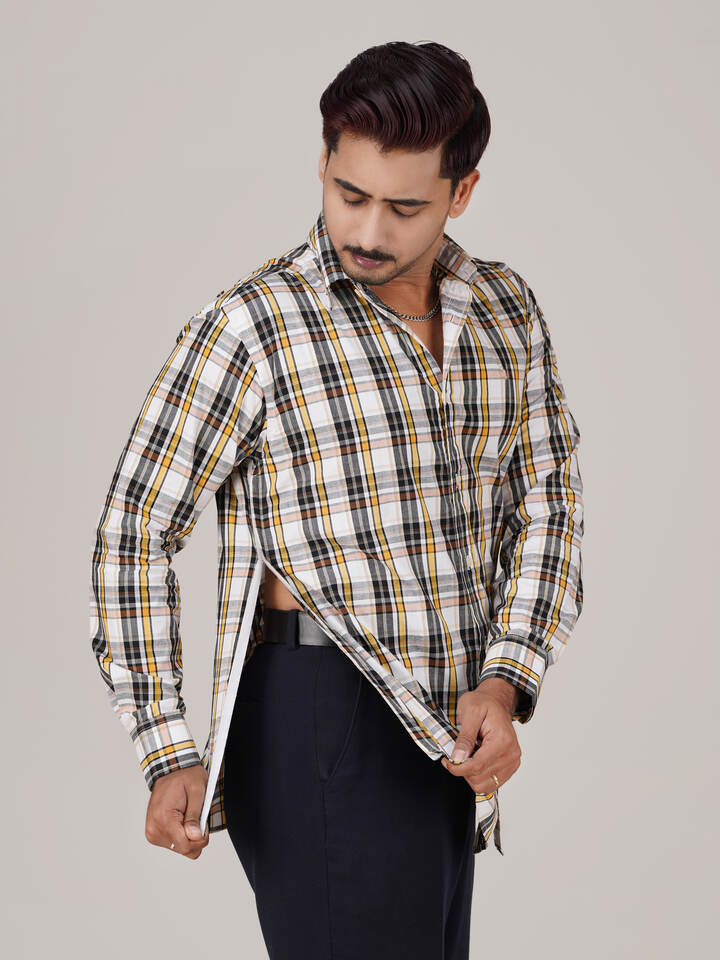
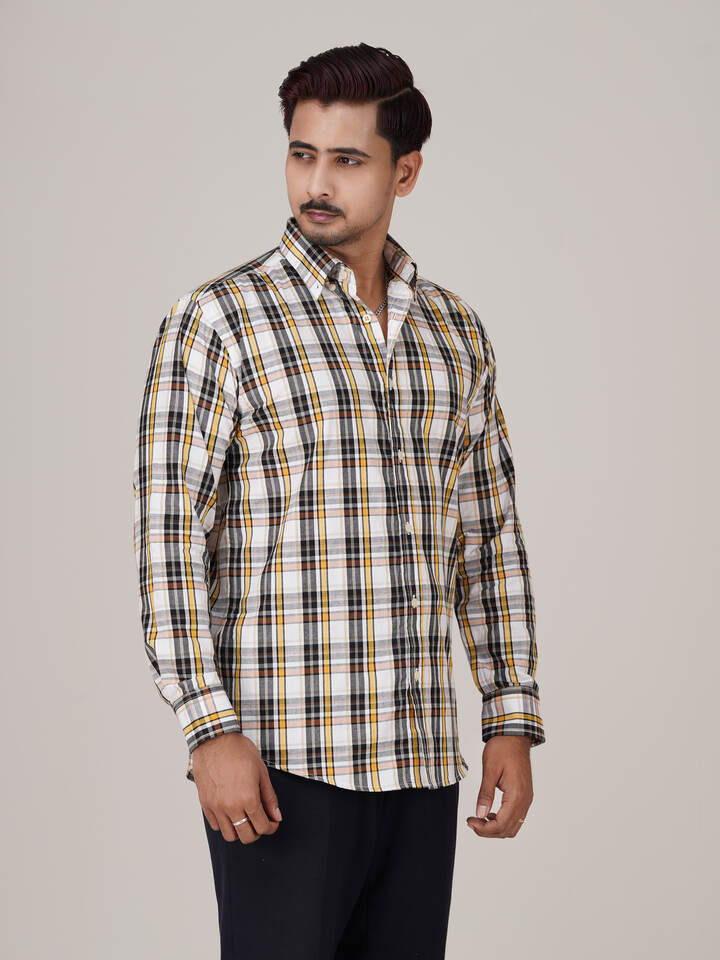
Woven Check Shirt
Both-Side Opening
Full side velcro
Opens flat from hem to underarm — no arm-raising required.
Button-down collar
Magnetic-backed collar for easy one-handed fastening.
Limited shoulder ROM
Post-stroke
One-arm use
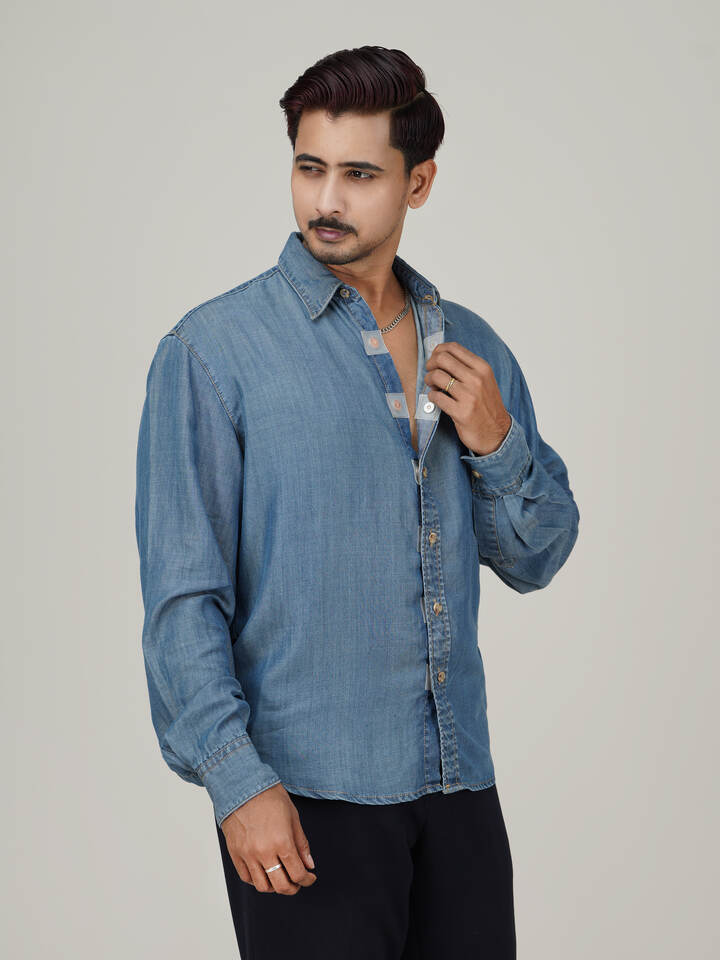
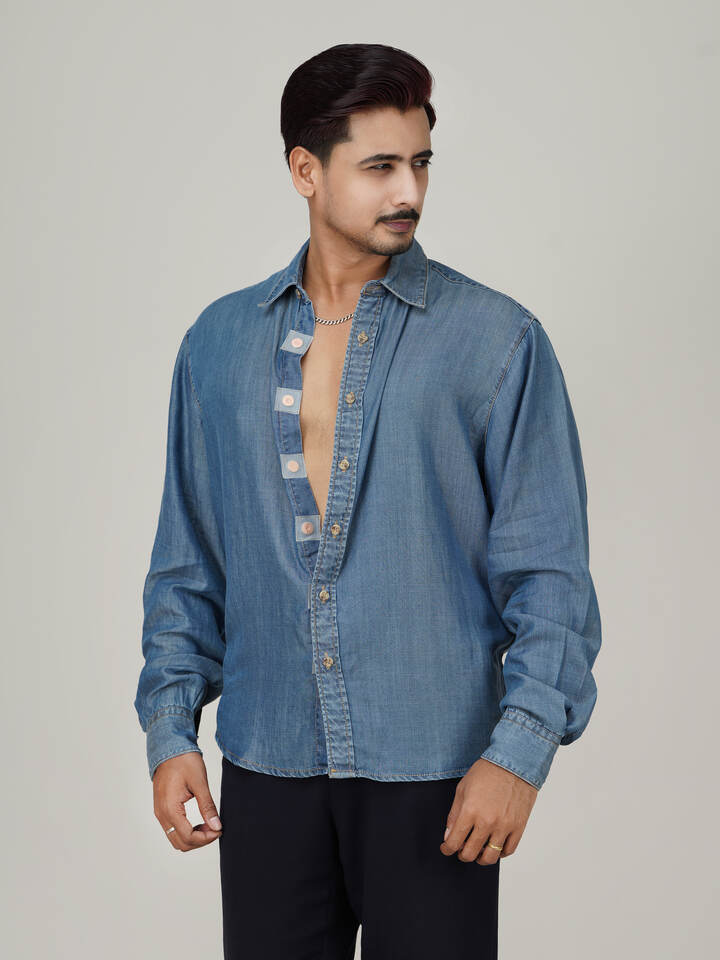
Denim Shirt
Magnetic Snap Placket
One-touch fastening
Magnetic snaps behind standard-looking buttons.
No fine motor needed
Works with one hand or wearing gloves.
Arthritis
Tremors
Limited grip strength
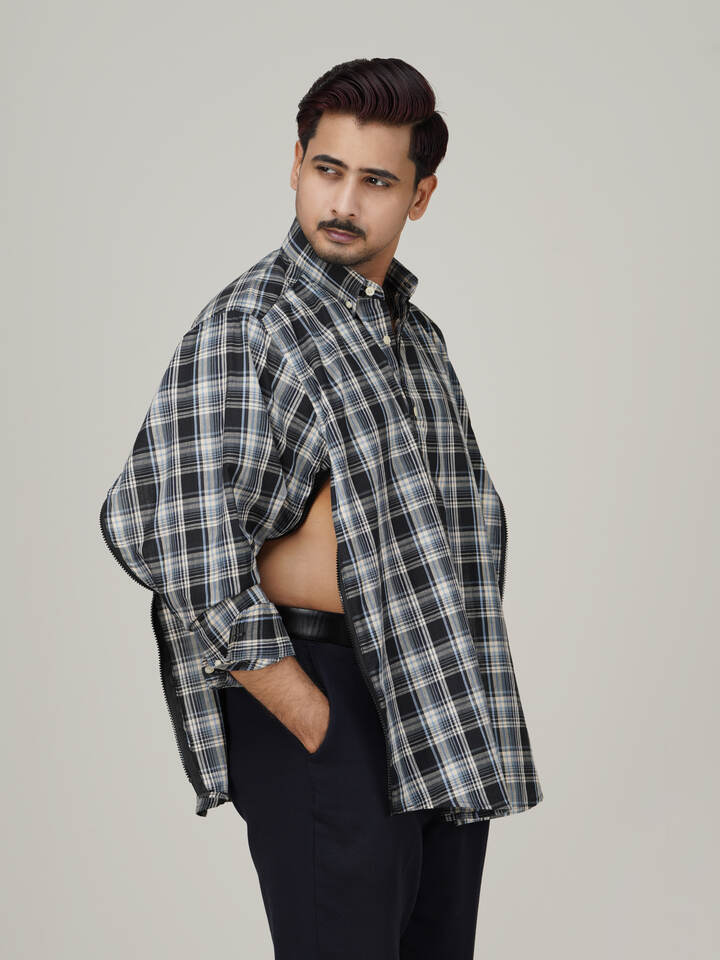
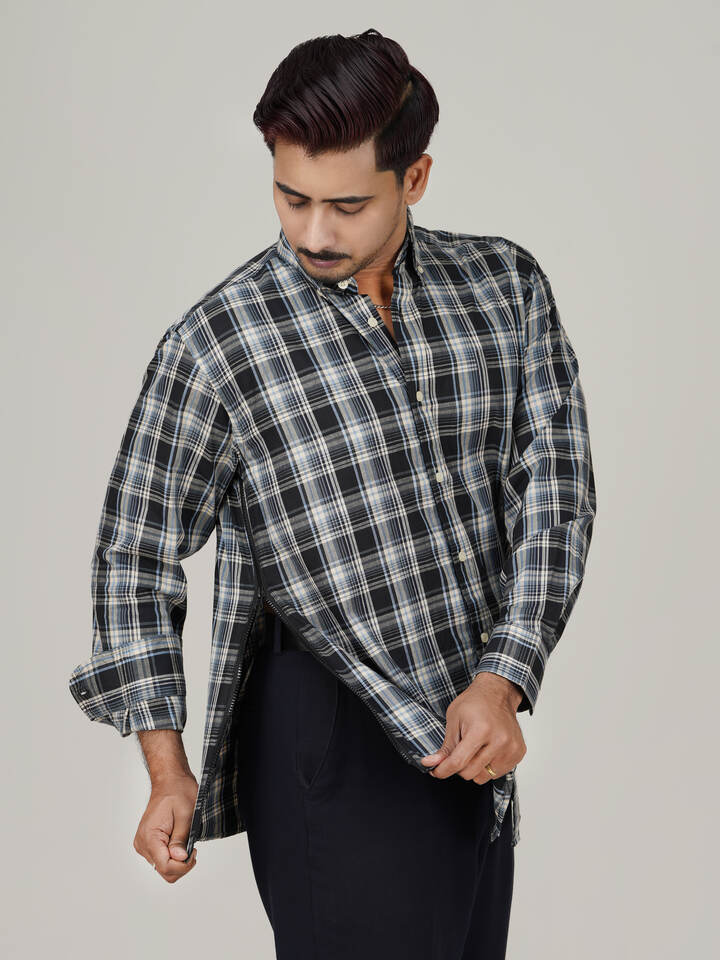
Woven Check Shirt B
Full Side-Zip — Heavier Weight
Full side zip
Heavier-duty zip — for seated or lying-down dressing.
Button-down collar
Magnetic-backed collar for easy one-handed fastening.
Wheelchair users
Bed dressing
Caregiver-assisted
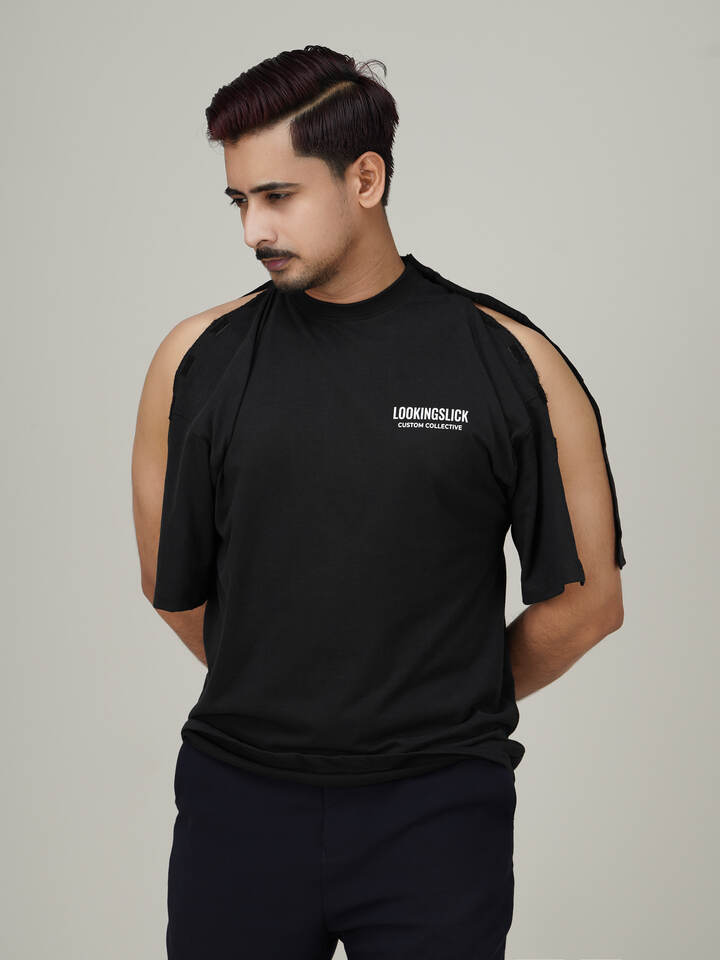
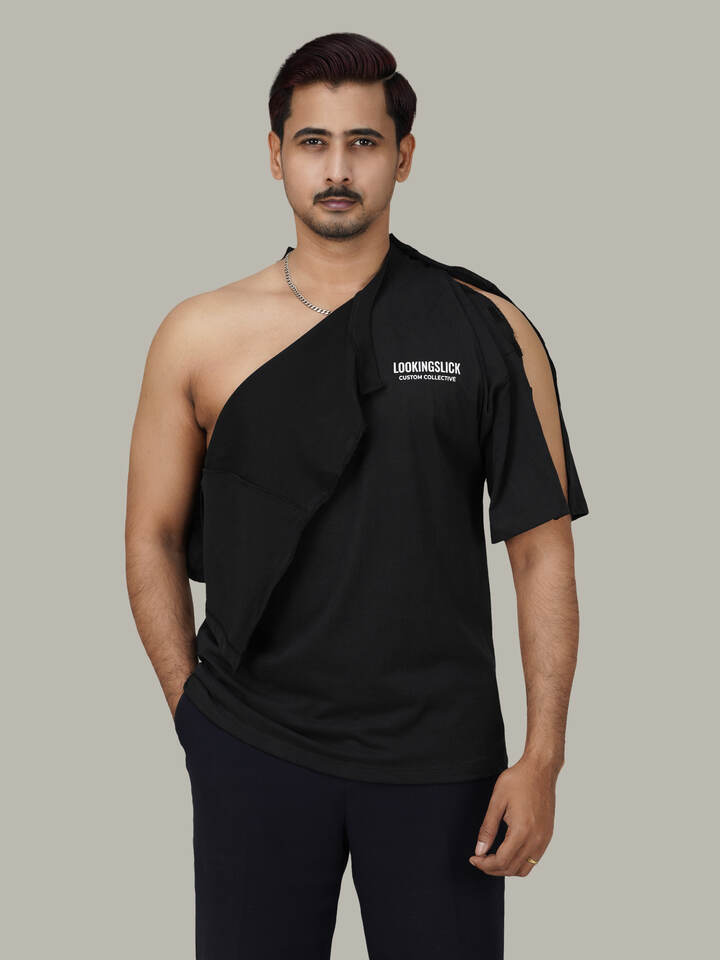
Jersey T-Shirt
Open-Shoulder Seams
Shoulder seams open
Press-studs release fully — arm slides in from above.
No overhead movement
Eliminates the need to raise arms at all.
Wheelchair users
Bed dressing
Caregiver-assisted
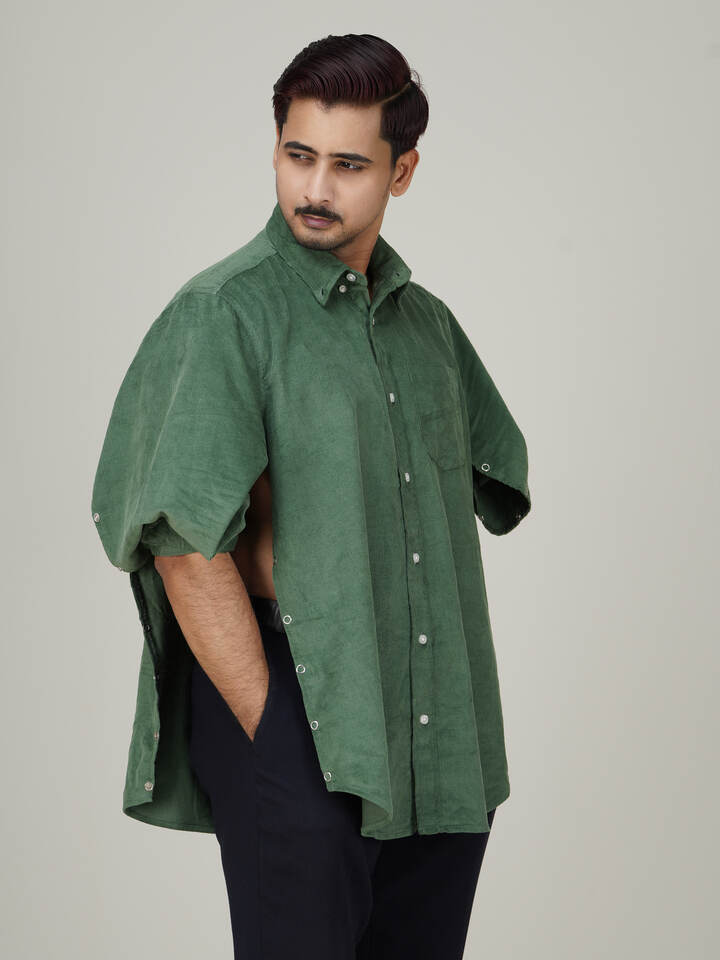
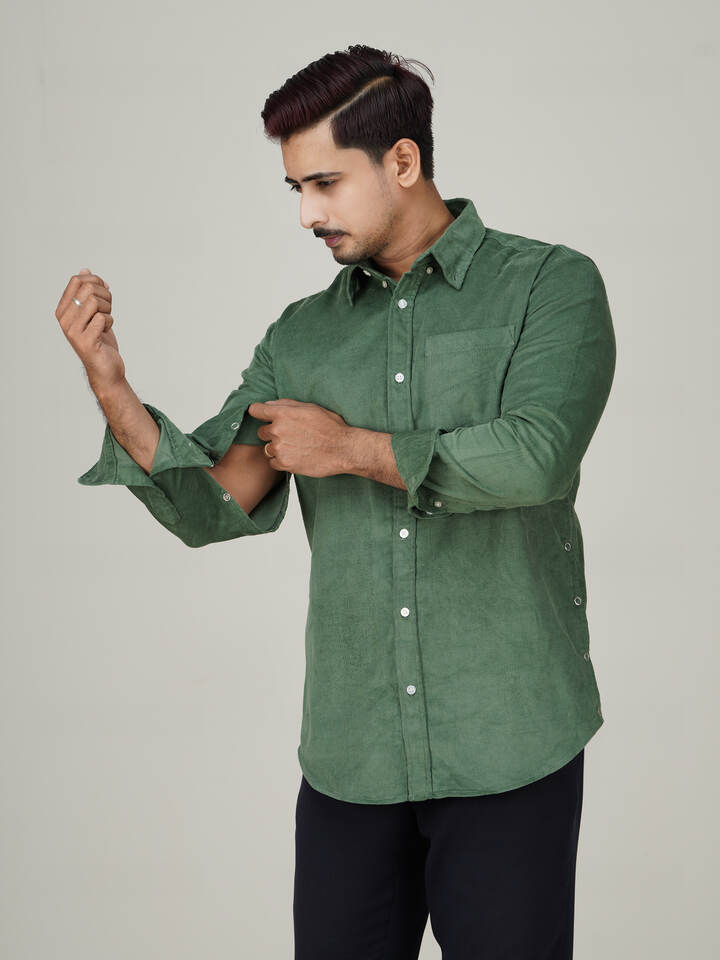
Corduroy Shirt
Side Snap + Snap Cuffs
Side snap seam
Full-length press-studs — the shirt lifts away cleanly.
Snap cuffs
Replaces buttons — works one-handed, no threading.
Elderly adults
Cold weather
Independent dressing
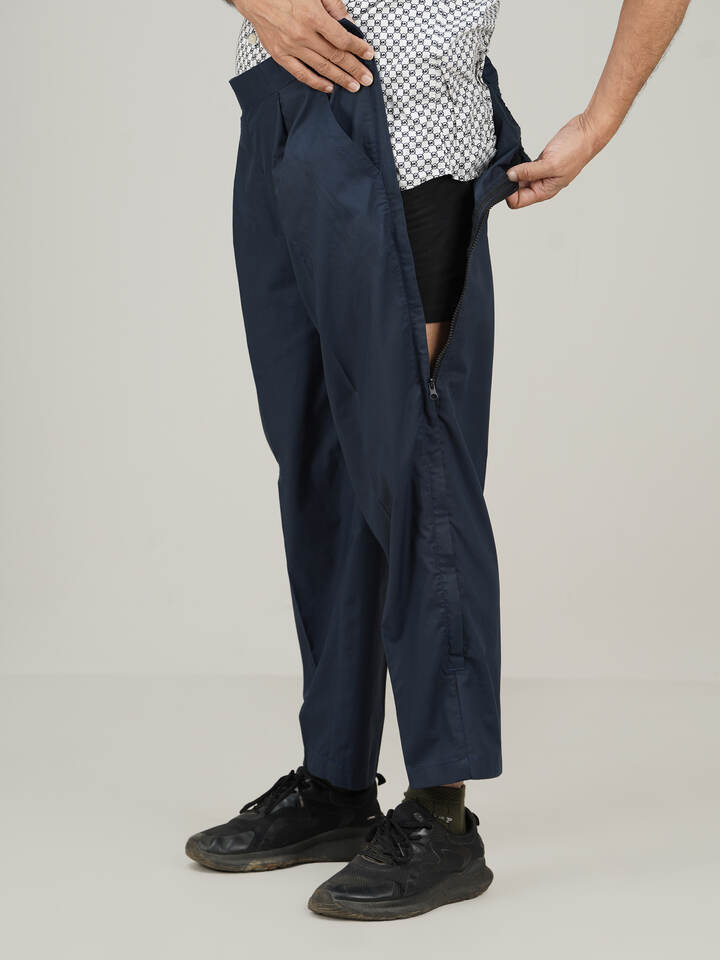
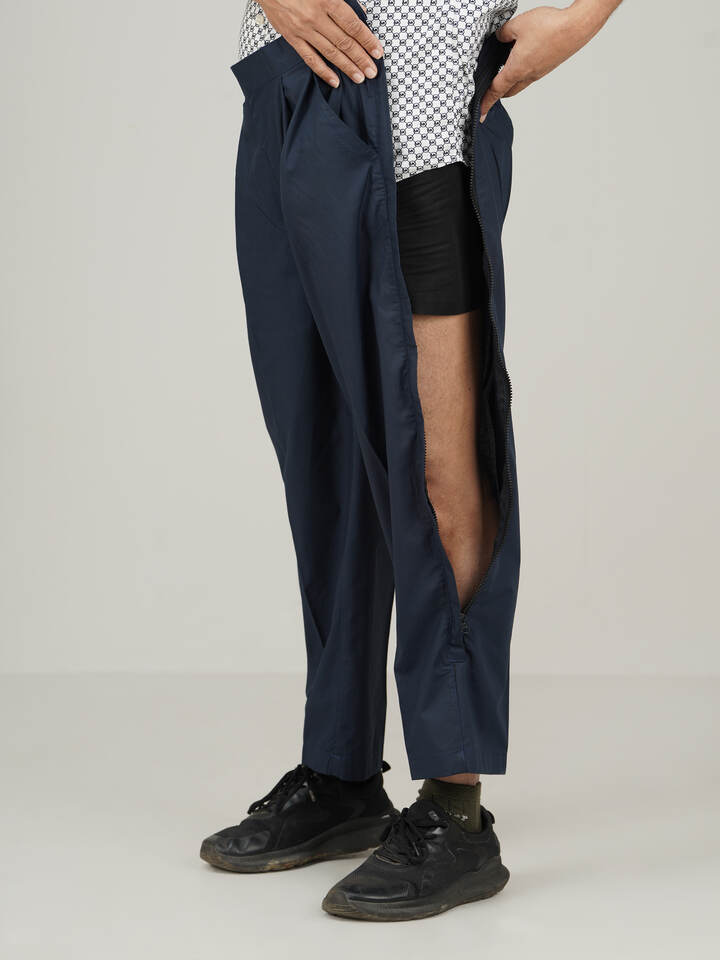
Navy Twill Trouser
Full Side Zip
Hip-to-ankle zip on the outer seam
Opens flat for transfer — dressing without standing.
Wheelchair users
Prosthetics
Hip surgery
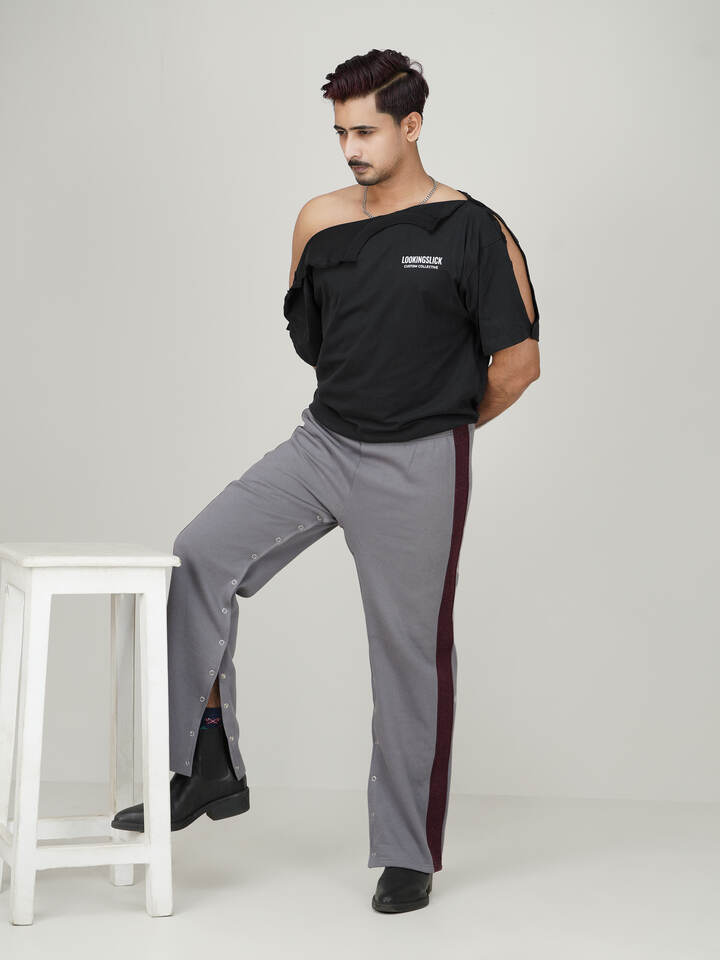
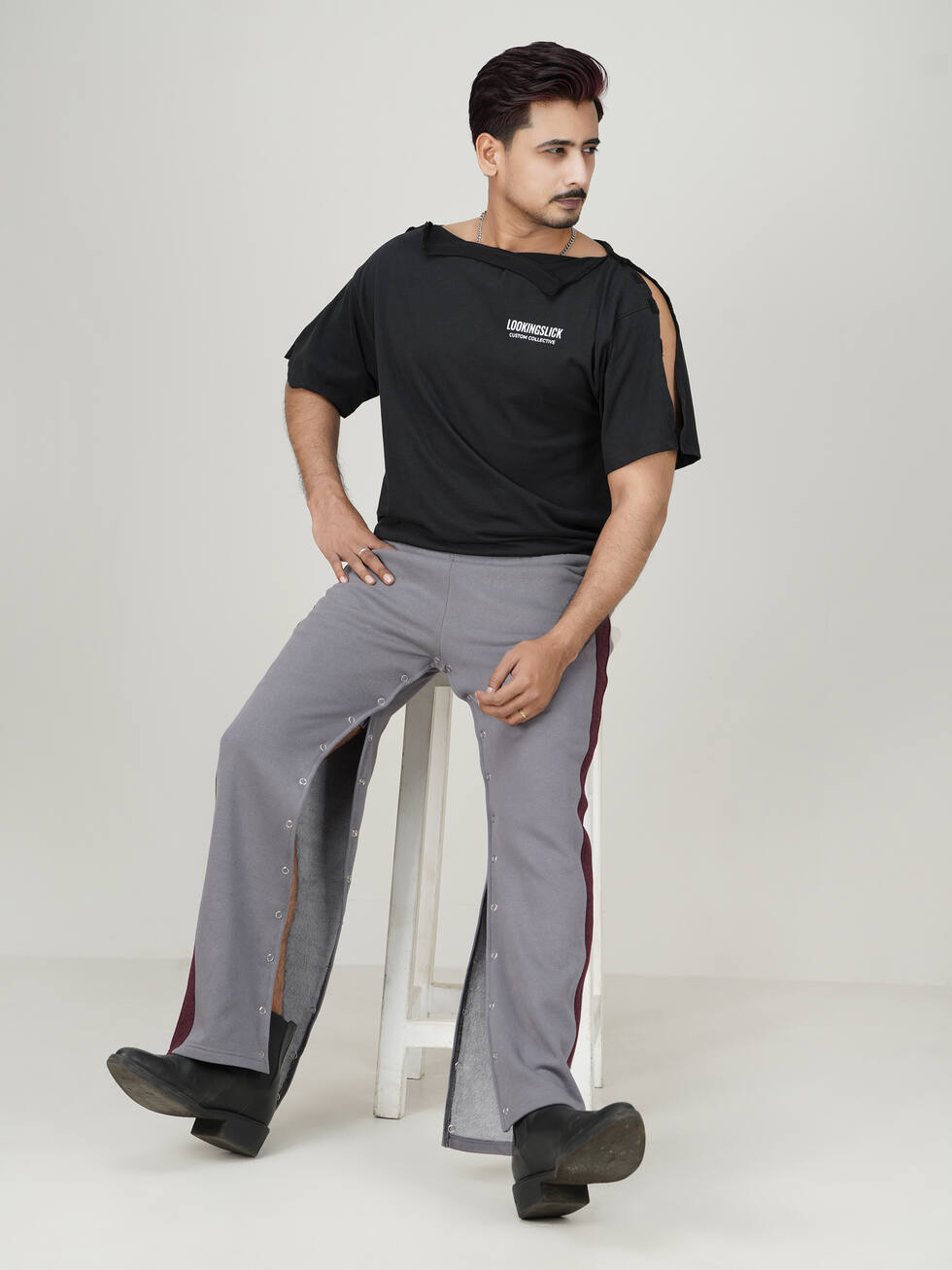
Grey Jersey Trouser
Side Snap Seam
Press-studs on both legs
Shown seated — easy on and off without standing.
Long-term wheelchair users
Hospital discharge
Inclusion Is Who We Are — Not a New Direction.
For years, our team has worked alongside persons with disabilities in garment factories — not as a CSR exercise, but as a genuine belief that skilled people deserve skilled work, regardless of disability.
Working with disabled people in our factories, we saw every day how poorly standard clothing served them. That observation, from years of direct experience, is what brought us to adaptive design.
"We did not enter adaptive clothing because it is a trend. We entered because we have spent years working with disabled people, watching them succeed when given the chance — and noticing how their clothing made that harder than it needed to be."
— Nordic Bridge Limited
Recognised for Inclusive Skills Development
Platinum Winner — Inclusive Skills Development (STAR Factory)
2nd Social and Environmental Excellence Award, 2014 — an inclusive workforce initiative led by Ahmed Abdul Kabir Chowdhury, Head of Operations & Compliance.
Partners in the field: CDD Bangladesh and CRP — assistive devices, awareness building, and recruitment and job matching.
What That Experience Taught Us.
Start with lived experience
Design from the realities people describe, not from what we assume they need.
Accommodate
Adapt the environment, tools, and tasks so people can take part on equal terms.
Train & raise awareness
Build understanding across teams so inclusion is shared, not delegated.
Lean on partners
Work alongside specialist organizations who hold knowledge we do not.
Match thoughtfully
Pair people, roles, and solutions with care rather than by default.
Build systems
Turn one-off efforts into durable processes that outlast a single project.
Evidence First. Product Second.
We hold Collection 01 as a set of hypotheses — and we are open to being redirected by evidence and community guidance.
STEP 01
Discovery
Learn from lived experience, clinicians, and existing research to ground our understanding of real needs and gaps.
STEP 02
Co-design advisory
Convene an advisory group — community, design, and clinical voices — to shape priorities and guardrails together.
STEP 03
Focused first concept
Develop one carefully chosen concept, applying our apparel capability where it genuinely helps, and test it with real wearers.
Working with AFAC (KITE / UHN), occupational therapists, and people with lived experience — where evidence, not assumption, determines whether and how a concept advances.
Ready to Co-Design Together?
If you are a community organisation, occupational therapist, clinician, retailer — or a person with lived experience — we want your guidance before anything goes into production.